






















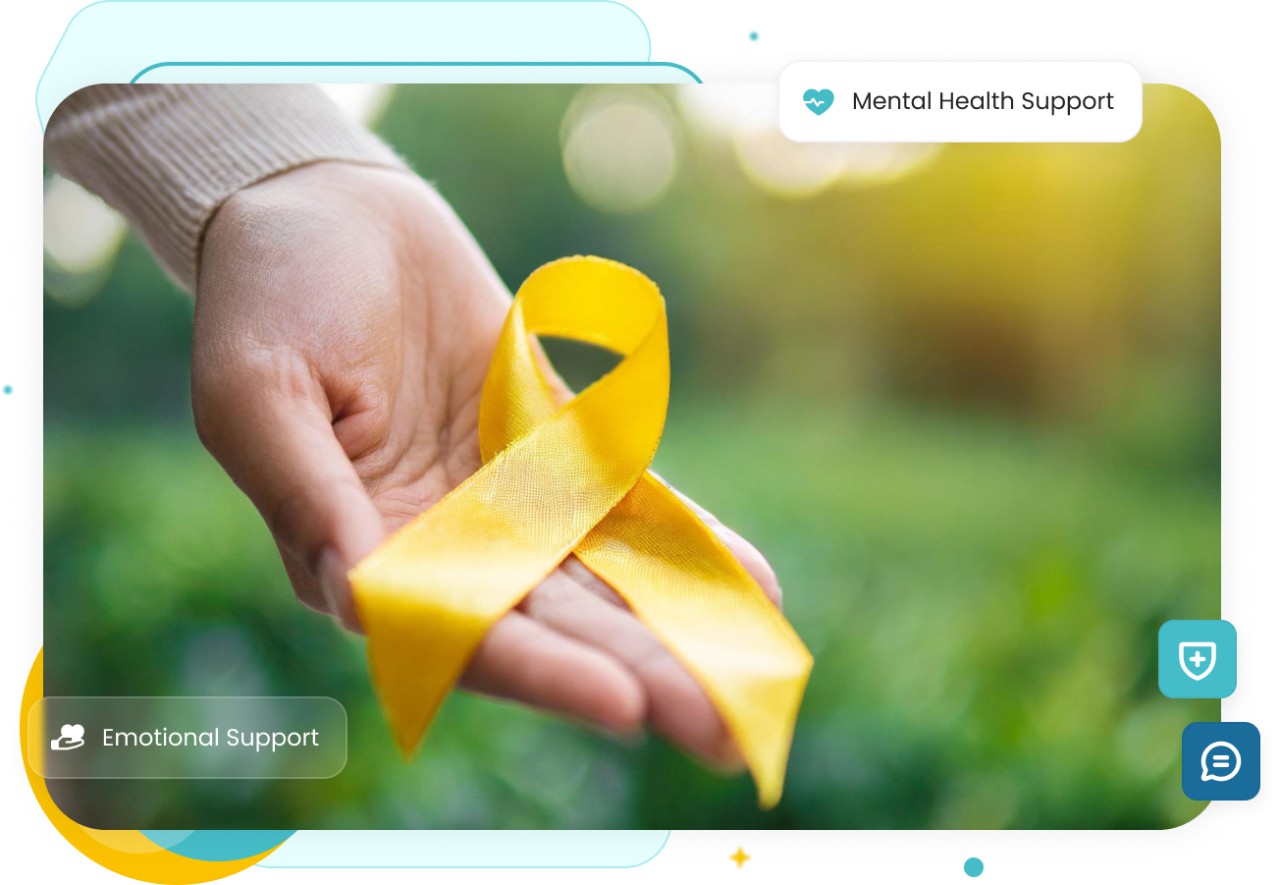
If You or Someone You Know Is in Immediate Danger
Take immediate action if you believe someone is at risk. Help is available, and acting quickly can save a life.

Emergency Services
Call 112

SEJIWA Counseling Service
Call 119, then press 8

Visit a Hospital
Visit the nearest emergency center and tell them you need constant monitoring as you are struggling with suicidal thoughts.

JakCare Telecounseling
Call 0800-1500-119
Words from Our Clinician-Scientists
Our clinician-scientists share messages of hope, encouragement, and compassion for anyone experiencing emotional pain or suicidal thoughts.

"Maybe life doesn’t seem worth living right now. Maybe the things are difficult - but there’s a possibility things might not always be this way"
Wimas Pariarta, M.Psi., Psikolog

"These times are scary, but you do not have to go through them alone. Asking for help is not a sign of weakness, it is a testament to your strength"
Tasya Adelheid, M.Psi., Psikolog

Considering suicide marks the lowest point in your life. You’re at rock bottom. Please find comfort in knowing there is no way to go but up
Dr. phil. Edo S. Jaya, M.Psi., Psikolog

"The idea that talking about suicide increases the likelihood of suicide is a myth, talk about it, don’t keep it all inside"
Cindy Emanuela, M.Psi., Psikolog
What Is Suicide?
Suicide is the intentional act of ending one's own life, often linked to emotional distress, mental health conditions, overwhelming life circumstances, or feelings of hopelessness.
Suicide is the intentional act of ending one's own life, often linked to emotional distress, mental health conditions, overwhelming life circumstances, or feelings of hopelessness.
Examples of Suicidal Thoughts
- Life is not worth living.
- No one would care if I died.
- The world would be better off without me.
- I would be better off dead.
If you or someone you know is experiencing these thoughts, seeking professional support as early as possible can make a meaningful difference.
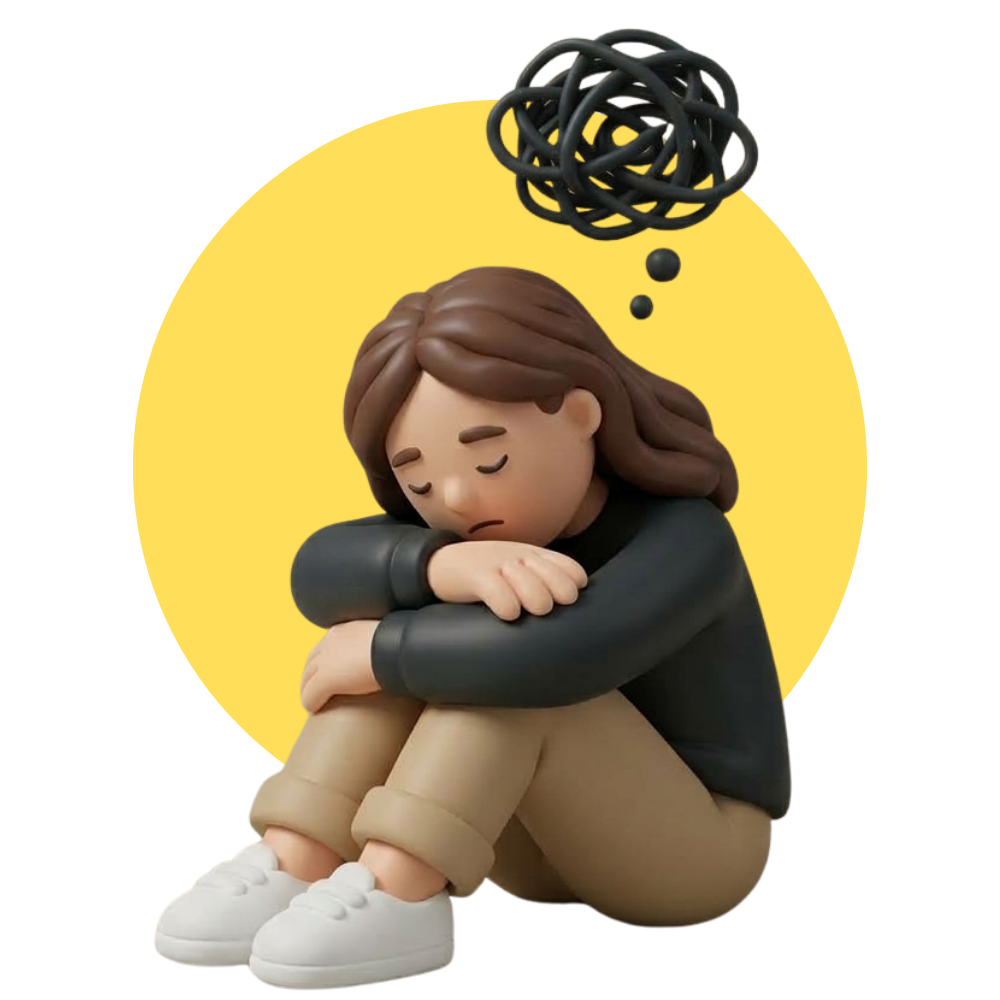

Recovery Starts with Reaching Out
A safety plan can help you navigate moments of crisis, but it is not a long-term solution. If you are experiencing suicidal thoughts, it is important to seek support from a psychologist, psychiatrist, or other qualified healthcare professional.
Professional care can help address both the immediate crisis and the underlying challenges contributing to these feelings.
How to Help Someone
Who May Be Suicidal
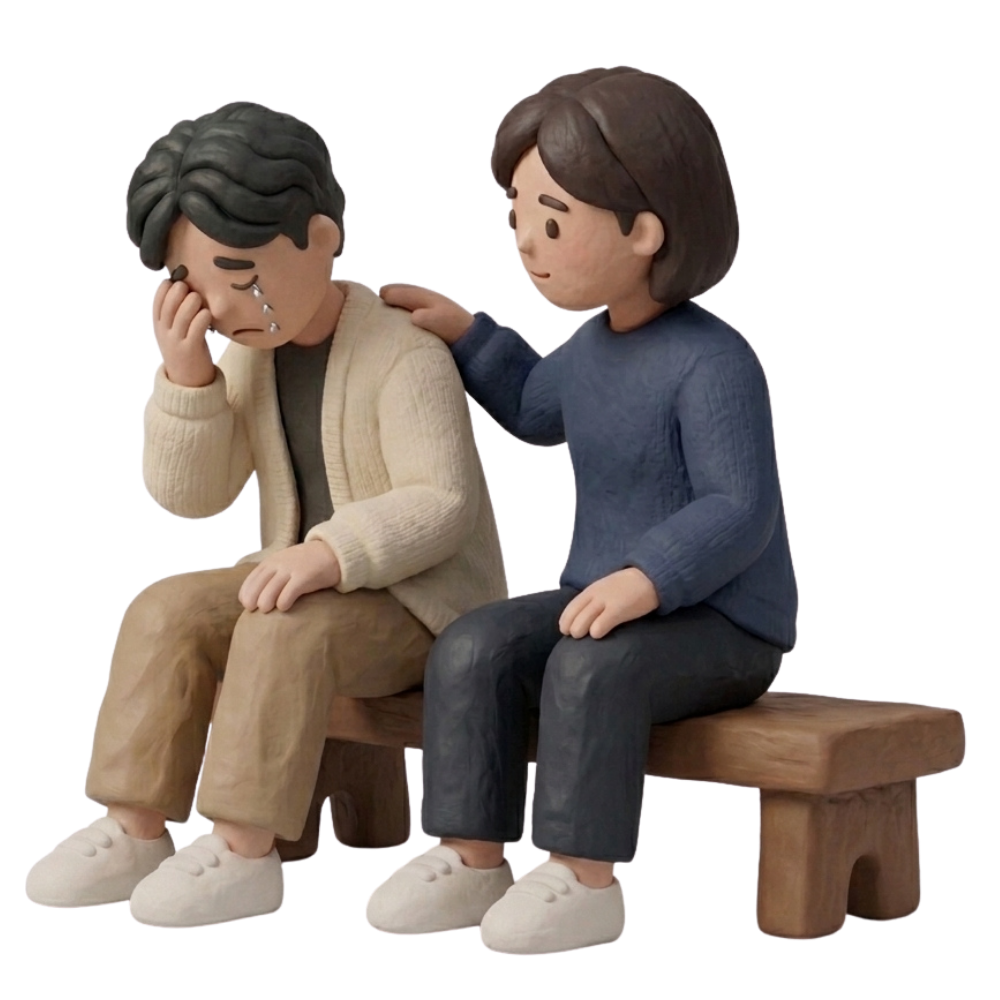
Supporting someone in emotional distress begins with listening without judgment. Treat individuals experiencing suicidal thoughts or self-harm with compassion, respect, and privacy.
Simple actions can make a significant difference
- Listen without interrupting or judging.
- Ask directly if they are thinking about suicide.
- Encourage them to seek professional help.
- Stay connected and check in regularly.
- If there is immediate danger, contact emergency services or crisis support.
Facts and Myths About Suicide
Understanding the facts about suicide helps reduce stigma and encourage conversations. Learning what is true and what is not can help people recognize warning signs, support others, and seek help.
Myth
- Talking about suicide encourages someone to take their own life or increases the risk of suicide.
- People who talk about suicide are only seeking attention and will not act on their thoughts.
- Suicide always happens suddenly and without any warning signs or noticeable changes.
- Only people diagnosed with a mental illness are at risk of dying by suicide.
- Asking someone directly about suicide is harmful and may put the idea into their mind.
Fact
- Talking openly and compassionately can reduce isolation and encourage someone to seek help.
- Many people communicate warning signs before attempting suicide. Every concern should be taken seriously.
- Many individuals show behavioral, emotional, or verbal warning signs beforehand.
- Suicide is complex and can involve factors, including life stress, trauma, relationship difficulties, and mental health conditions.
- Asking calmly and directly can help someone feel understood and supported.
You Don't Have to Face This Alone
If you're struggling or worried about someone you care about, reaching out for support can be the first step toward safety and recovery. Our clinician-scientists are here to listen, understand, and help you find the care you need.


