






















Obsessive-Compulsive & Related Disorders
Body Dysmorphic Disorder
Definition
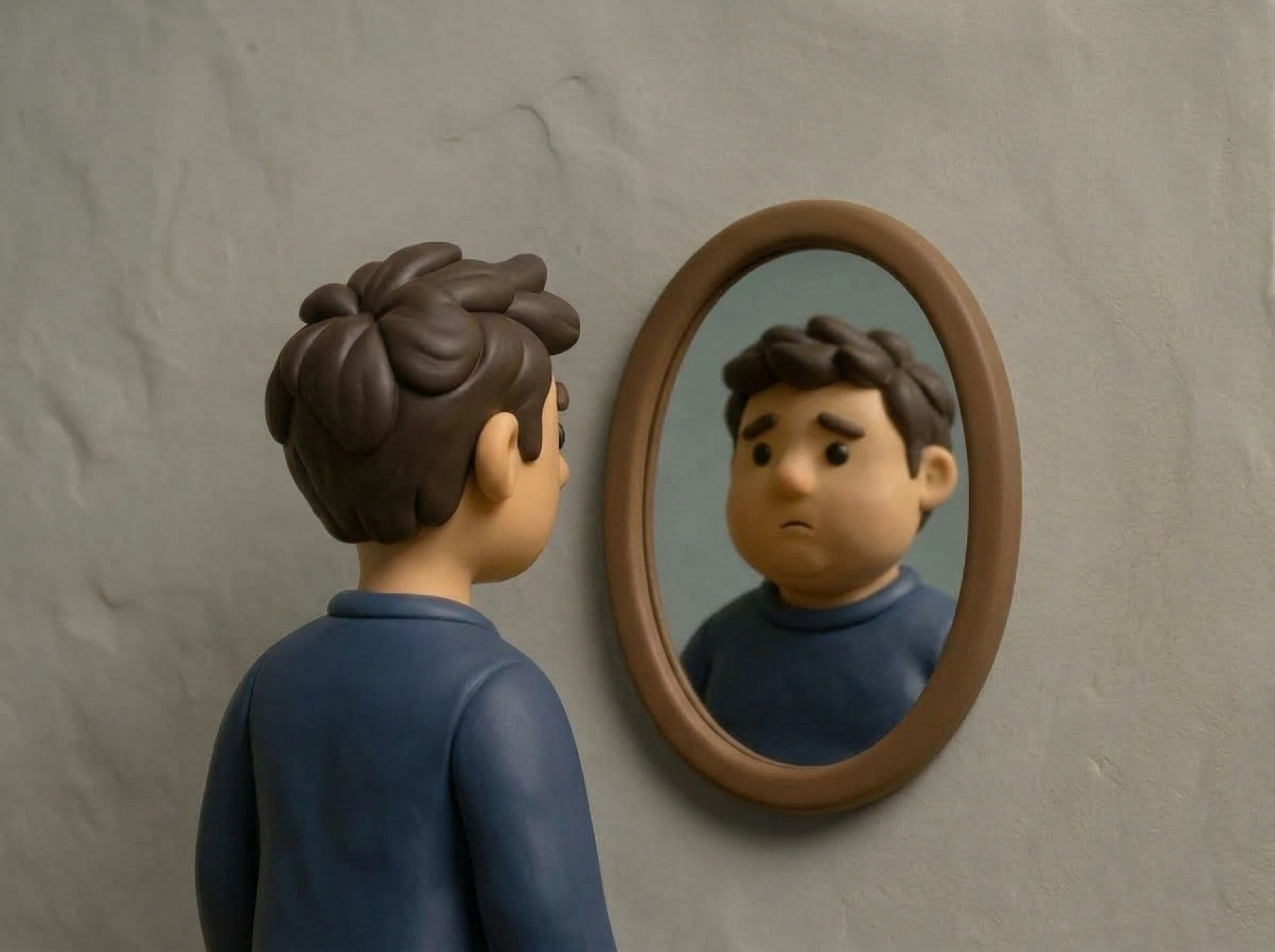
While feeling insecure or dissatisfied with aspects of one's physical appearance is a common human experience particularly during adolescence. Body Dysmorphic Disorder (BDD) involves distress that far exceeds typical body-image concerns. Unlike general self-consciousness, BDD is characterized by an intense, obsessive preoccupation with perceived physical flaws that are minor or imperceptible to others. This continuous fixation drives individuals to perform persistent, repetitive behaviors, such as frequent mirror checking or excessive grooming, which ultimately leads to severe emotional distress and significantly impairs daily social, academic, and occupational functioning.
What is Body Dysmorphic Disorder?

Body Dysmorphic Disorder is a condition that involves an extreme preoccupation with one’s own perceived defects in physical appearance. Often, these "flaws" are minor and go unnoticed by others. Nevertheless, they cause considerable functional impairment in the sufferer.
Notably, the condition is ego-dystonic in nature. As a result, those living with the condition experience unwanted, intrusive thoughts and become fixated upon their perceived imperfections. The fixation usually does not end until they attempt to "correct" their perceived blemishes.
Risk Factors for Development
It is difficult to identify a singular cause or establish a sole generating factor that begins this cycle of mutually reinforcing symptoms. Nevertheless, several distinct factors have been implicated in the condition’s onset and maintenance:
- Hereditary traits: The condition is more prevalent amongst individuals who have a first-degree relative suffering from the condition or from Obsessive-Compulsive Disorder (OCD).
- Personality traits and core beliefs: Marked by perfectionism tendencies, low self-esteem, rejection sensitivity, and a pervasive fear of negative evaluation.
- Biological Factors: Neuroimaging studies demonstrate changes to brain circuits, and the ensuing deficits in neural functioning may contribute to BDD manifestation. Additionally, there are distinct neuroanatomical differences in visual stimuli processing.
- Environmental factors: Implicated factors include adverse childhood experiences, teasing, a history of abuse, and strong societal pressures to conform to unrealistic beauty standards and ideas.
Symptoms

According to the ICD-11, the symptoms of Body Dysmorphic Disorder include a persistent preoccupation with unattractiveness or perceived flaws in appearance that are either very minor or unnoticeable to others. Individuals experience an irrational sense of self-consciousness surrounding the perceived flaws and fear that others can notice them.
-
Core & Somatic Fixations
Those with BDD usually fixate upon several parts of their bodies. This fixation is involuntary and may change over time. The following features are commonly scrutinized:
- Parts of the face (such as the hair, nose, lips, eyes, teeth, and chin)
- Hair and skin
- Breast size and genitalia
- Muscle size
-
Behavioral Signs & Post-Attack Features
To escape or neutralize the discomfort initiated by intrusive thoughts, individuals engage in repetitive, excessive, and ritualistic behaviours, including:
- Mirror checking: Individuals consistently check their reflection and fixate upon certain parts of their bodies.
- Excessive grooming: To mask their insecurities, individuals may engage in extreme grooming habits, such as wearing makeup to the gym or thick foundation to the corner shop.
- Skin picking: Individuals may compulsively pull at their lips, fingertips, cheeks, or loose skin.
- Reassurance seeking: Feeling the constant need to have their self-worth affirmed and reaffirmed by external parties, such as their friends or significant others.
- Physical comparisons: Individuals frequently find themselves comparing their appearance to people in real life and social media models.
- Camouflaging: A form of safety behaviour where individuals elect to hide behind makeup, specific attire, or accessories such as hats and sunglasses to mask their insecurities.
- Avoidance: Actively avoiding situations that may draw external attention toward the perceived flaw, such as avoiding reflective surfaces and swimming pools.
-
Diagnostic Exclusions & Functioning Criteria
- The symptoms are not attributable to another medical condition, or the effects of medication or withdrawal.
- Symptoms lead to significant impairment in one's day-to-day functioning across several domains, including personal, family, social, occupational, and academic spheres. One must exert additional effort to maintain baseline functioning across these domains.
Comorbidities
Body Dysmorphic Disorder frequently co-occurs alongside other mental health conditions, which can increase the severity of the illness. Common comorbidities include:
- Mood disorders (including a particularly strong prevalence of major depression)
- Anxiety disorders
- Obsessive-Compulsive Disorder (OCD)
- Personality disorders
- Substance use
Development and Course

Most individuals with Body Dysmorphic Disorder (BDD) begin experiencing symptoms before the age of 18. The condition typically follows a chronic trajectory characterized by a gradual worsening of symptoms over time. Due to the intense shame and secrecy surrounding their perceived flaws, individuals often wait 10 to 15 years before actively seeking professional treatment.
When left untreated, BDD leads to a markedly lower quality of life compared to the general population, exerting a profound toll across multiple major domains:
- Psychological & Physical Health: Heightened risk of suicidality, severe emotional distress, self-mutilation, eating disorders, and co-occurring psychiatric conditions.
- Medical Interventions: Frequent reliance on dangerous "DIY" physical alterations or unnecessary elective cosmetic and dermatological procedures (such as rhinoplasties, facelifts, or implants).
- Social & Relational Strain: Struggles with basic household management, reduced participation in leisure activities, and severely compromised family, social, and romantic relationships.
- Socio-Economic Impact: Reduced academic attainment, ongoing difficulties maintaining consistent employment, and heightened long-term financial dependency.
Variability
-
Sex and Gender Features
The overall prevalence of the condition does not significantly vary between genders. Nevertheless, a distinct difference has been observed regarding the specific symptoms that are endured:
- Women: Are statistically more likely to experience intense weight concerns.
- Men: Are highly prone to worry about their genitalia and overall body physique. Muscle dysmorphia is also notably common among men.
-
Age-Related Differences
- Early Onset Impacts: Comorbidities and suicidality are significantly more prevalent among those whose disorder appears before the age of 18. Due to ensuing depressive symptoms, BDD has been associated with high rates of suicidality among adolescents.
- BDD by Proxy: In some instances, individuals may become preoccupied with the physical appearance of another individual rather than their own, a phenomenon dubbed "body dysmorphic disorder by proxy."
Important note: Many people with Body Dysmorphic Disorder do not recognize that their fear, perceived flaws, and behavioral avoidance are excessive. Assessment by a qualified mental health professional is important to determine whether the symptoms meet the criteria for Body Dysmorphic Disorder within the individual’s cultural and life context.
Etiological Risk Factors

Temperamental or personality factors
- Perfectionism tendencies
- Low self-esteem
- Heightened rejection sensitivity
- Fear of negative evaluation
Heritability and possible genetic predisposition
- The condition is more prevalent amongst individuals with a first-degree relative suffering from the condition, or OCD
Neurobiological factors
- Neuroimaging studies demonstrate changes to brain circuits, and ensuing deficits in neural functioning may contribute to the manifestation of body dysmorphic disorder
- Volumeric brain abnormalities (orbitofrontal and anterior cingulate cortex)
- Greater white matter volume
- Differences in visual stimuli processing
Environmental factors
- Adverse childhood experiences
- Teasing
- A history of abuse
- Learning experiences in childhood that reinforce maladaptive beliefs and perceptions of appearance
- Societal pressures to conform to unrealistic beauty standards and ideas
Consequences

- Compromised mental and emotional wellbeing
- Self-starvation and the development of eating disorders
- Further, individuals with body dysmorphic disorder oftentimes seek out elective, unnecessary procedures to address their physical insecurities. These include:
-
-
- Rhinoplasties (nose jobs)
- Rhytidectomy (face lifts)
- Pinnaplasty (pinning of the ears)
- Hair transplants
- Breast implants
- Dermatological treatments
-
-
- Those who do not seek out professional help sometimes engage in “DIY” procedures in which they aim to themselves correct their blemishes. Despite the intention to improve their appearance, this may lead them to inadvertently injure themselves and damage the area of concern.
- Comparably lower academic achievements
- Struggles and failure to maintain employment
- Lower economic productivity
- Suicidal ideations
- Suicide attempts
- Suicide
Clinical Perspectives & Reminder
We sincerely appreciate your dedication; you have made it through this section of our IndoPsyCare library. We trust that you have gleaned valuable information from this page. Before we part ways we would like to reiterate the importance of refraining from diagnosing yourself, or other individuals, based on the information provided. If you feel as though you or others are experiencing this condition, we implore you to seek professional help.
Bibliography
Bjornsson, A. S., Didie, E. R., & Phillips, K. A. (2010). Body dysmorphic disorder. Dialogues in clinical neuroscience, 12(2), 221–232. https://doi.org/10.31887/DCNS.2010.12.2/abjornsson
Fang, Angela; Wilhelm, Sabine (2015). Clinical Features, Cognitive Biases, and Treatment of Body Dysmorphic Disorder. Annual Review of Clinical Psychology, 11(1), 187–212. doi:10.1146/annurev-clinpsy-032814-112849
Ipser, Jonathan C (1996). Cochrane Database of Systematic Reviews (Reviews) || Pharmacotherapy and psychotherapy for body dysmorphic disorder. , 10.1002/14651858(), –. doi:10.1002/14651858.CD005332.pub2
Phillips, K. A., Menard, W., Fay, C., & Pagano, M. E. (2005). Psychosocial functioning and quality of life in body dysmorphic disorder. Comprehensive psychiatry, 46(4), 254–260. https://doi.org/10.1016/j.comppsych.2004.10.004
Soler, P., Ferreira, C., Novaes, J., & Fernandes, H. (2018). Body Dysmorphic Disorder: Characteristics, Psychopathology, Clinical Associations, and Influencing Factors. Pathophysiology - Altered Physiological States. doi: 10.5772/intechopen.76446
Veale, D. (2000). Outcome of cosmetic surgery and ‘DIY’ surgery in patients with body dysmorphic disorder. Psychiatric Bulletin, 24(6), 218-221. doi:10.1192/pb.24.6.218


