





















Mood & Depressive Disorders
Depression
Definition
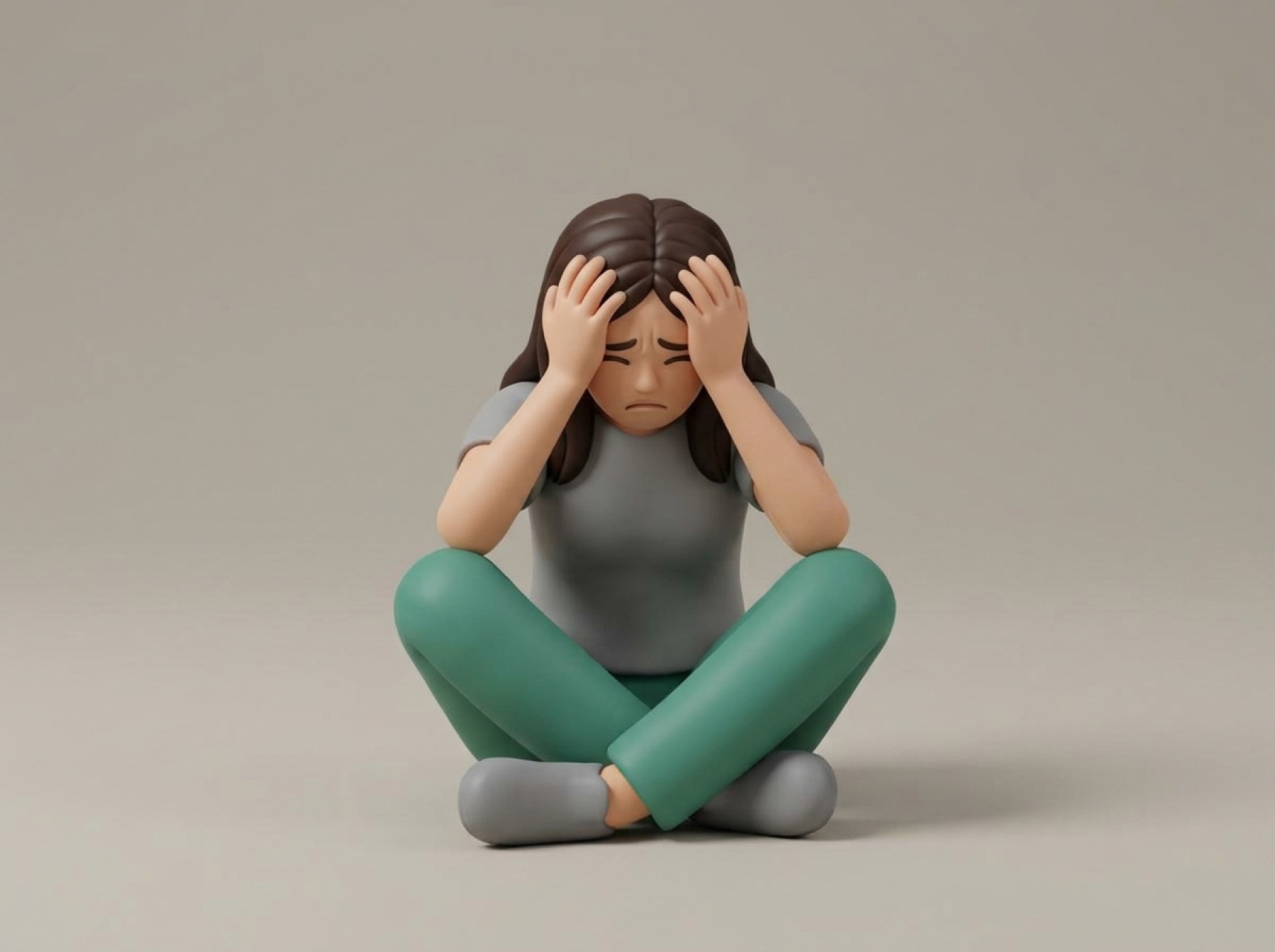
Sadness and grief are normal, expected human responses to life pressures, loss, or adversity. While sadness is a core feature of depression, it is not on its own a sufficient indicator of a clinical disorder. Depressive disorders differ fundamentally from everyday sadness or grief in the severity, duration, and persistent impact of symptoms, which far exceed what is contextually expected within an individual's sociocultural environment.
What is Depressive Disorder?

While depressive disorders encompass a diverse range of symptoms, they share fundamental core features. Primarily, these conditions are defined by a persistent depressed mood manifesting as deep sadness, irritability, or emptiness or a distinct loss of pleasure in daily life.
Beyond these emotional shifts, individuals struggling with depression experience a complex combination of cognitive, behavioral, and neurovegetative symptoms, such as significant appetite loss, weight fluctuations, and chronic insomnia. Together, these interconnected symptoms severely undermine a person’s ability to function across major areas of life.
Understanding why these profound shifts occur involves examining the complex interplay of underlying causes. A depressive disorder rarely stems from a single origin; instead, its onset and maintenance are driven by a combination of biological vulnerabilities, individual personality traits, and life circumstances:
- Genetic & Biological Factors: Depressive disorders frequently run in families, with first-degree biological relatives being approximately three times more likely to experience depression. Twin studies confirm that the condition is moderately heritable. Biologically, depression is associated with altered brain activity, specifically under-reactivation in prefrontal cortex regions responsible for cognitive control, alongside over-activation of the amygdala, which governs threat responses and negative emotions. These neural patterns are further accompanied by dysregulation across key neurotransmitter systems, including the noradrenergic, cholinergic, serotonergic, and dopaminergic pathways.
- Personality & Environmental Factors: Individual risk is heightened by personality traits such as high neuroticism, a baseline disposition toward negative emotions like anger and sadness and a strong desire for harm avoidance. Environmentally, the condition is strongly linked to psychosocial adversity, such as being raised by parents with depression or severe psychiatric conditions, enduring emotional or sexual abuse, and facing traumatic life events, long-term physical illness, or severe psychological injury.
Symptoms

According to the ICD-11, a depressive episode is identified by the presence of at least five symptoms occurring over the course of most of the day, nearly every day, for a duration of at least 14 days (2 weeks). To establish a clinical definition, at least one symptom must come from the Affective Cluster. Decisions regarding whether a symptom is present should be made by considering whether the behavior clearly deviates from what is "normal" for the individual in question.
-
Affective Cluster
- Depressed mood: A low mood either reported by the individual (e.g., feeling down or sad) or observed by others (e.g., being perceived as tearful). Among children and adolescents, this mood may manifest primarily as irritability.
- Loss of pleasure: A distinct decline in the desire to participate in activities that the individual once found pleasurable, which may also include a diminished sexual desire.
-
Cognitive-Behavioural Cluster
- Impaired concentration: A diminished ability to make decisions (manifesting as indecisiveness) or a reduction in one's capacity to concentrate on the tasks at hand.
- Negative self-evaluation: A diminished perception of self-worth and inappropriate guilt, which may sometimes be delusional. This does not refer exclusively to guilt surrounding having a mental health condition.
- Hopelessness: A pervasive sense of hopelessness in relation to the future.
- Suicidality and thoughts of death: Recurrent suicidal ideations (either with or without a specific plan in place), evidence of suicide attempts, or constant thoughts regarding the concept of death (not exclusively regarding a fear of dying).
-
Neurovegetative Cluster
- Sleep disruptions: Significant sleep disturbances, including the inability to fall asleep, waking up frequently throughout the night, waking up in the early mornings, or sleeping for an excessive number of hours (hypersomnia).
- Appetite and weight fluctuations: Marked, significant fluctuations in appetite (either diminished or increased) or significant fluctuations in weight (either weight loss or weight gain).
- Psychomotor changes: Observable psychomotor agitation or psychomotor retardation. This refers to observable physical changes and does not only include subjective feelings of being slowed down.
- Fatigue: A severe reduction in energy, marked by feelings of fatigue or tiredness after expending only a very little amount of effort.
-
Diagnostic Exclusions & Functioning Criteria
- The symptoms are not better explained by bereavement (sadness regarding the death of another person).
- The symptoms cannot be more suitably attributed to another medical condition (such as a brain tumor), and are not due to the effects of substances, medication, or stimulant withdrawal.
- The individual does not fulfill the diagnostic requirements of a "Mixed Episode," which involves a combination of depressive symptoms and symptoms of another distinct condition.
- The symptoms cause significant distress or lead to great impairment across personal, familial, social, educational, occupational, or other important domains. In cases where individuals manage to maintain their daily functioning, they do so only through exerting additional, significant effort.
-
Additional Clinical Features
- The affective component may sometimes present purely as irritability or emptiness (the complete absence of emotion), meeting the criteria as long as these states deviate from the individual's regular day-to-day baseline.
- Some individuals, especially those experiencing a Severe Depressive Episode, may be reluctant to share their experiences or symptoms (such as psychotic symptoms). Their symptoms, such as severe psychomotor agitation, may also physically prevent them from sharing details comprehensively.
- Observations reported by a collateral informant (for instance, a parent) can be considered when determining if an individual fulfills a diagnostic category and when assessing the severity of the condition.
- Depressive episodes may be linked to an increase in alcohol consumption, which carries a high risk of exacerbating existing symptoms, physiological experiences, or preoccupations.
Comorbidities
Comorbidities are co-occurring conditions that lead to a greater symptom burden, and may in some cases predict poorer course and outcome. Common conditions that appear alongside depressive episodes include but are not limited to:
- Obsessive-Compulsive Disorder (OCD)
- Anxiety disorders, including generalized anxiety disorder, social anxiety disorder, panic disorder, and agoraphobia
- Post-traumatic stress disorder (PTSD)
- Personality disorders
Development and Course

Depressive disorders rarely emerge during early childhood; instead, their prevalence increases sharply after puberty, with the typical age of onset occurring in an individual's mid-20s.
A standard depressive episode generally lasts between 3 and 4 months, with most people noticing a reduction in symptoms after the 3-month mark and achieving full remission within a year. However, the condition often follows a recurrent course—many individuals experience a relapse within 5 years, with recurrence risks rising alongside the duration of prior episodes. Without evidence-based treatment, complete recovery is uncommon, leaving many individuals with only partial remission and lingering residual symptoms.
As depressive episodes persist or recur, the ongoing strain exerts a profound toll across all major areas of life, placing individuals at a heightened risk for:
- Mental Health: Heightened risk of suicidal ideations and suicide.
- Physical Vitality: Chronic low energy, persistent fatigue, and compromised physical health.
- Relationships: Deepening social isolation alongside severely strained familial and personal relationships.
- Education & Career: Difficulty maintaining consistent employment and lower overall academic attainment.
Variability
-
Sex & Gender Differences
Prior to puberty, depression occurs with equal prevalence between boys and girls. Following puberty, females become approximately twice as likely as males to experience a depressive episode.
-
Age-Related Differences
The clinical expression of depression varies significantly across developmental stages:
- Emotional & Somatic Signs: Young children frequently manifest low mood through physical complaints (headaches, stomach aches), separation anxiety, or pervasive irritability.
- Academic Impact: Concentration deficits impair school performance and completion times, requiring careful differentiation from non-mood conditions like ADHD.
- Sleep & Appetite Shifts: Children and adolescents are more prone to hypersomnia (excessive sleeping) and hyperphagia (increased appetite causing weight gain), whereas adults more commonly experience weight loss.
- Suicidality Expression: Children typically convey suicidality passively (e.g., "I don't want to be here") or through play, whereas adolescents and adults express intent more directly.
Important note: Many people with Depressive Disorders do not recognize that their low mood and lack of pleasure are excessive. Assessment by a qualified mental health professional is important to determine whether the symptoms meet the criteria for a depressive disorder within the individual’s cultural and life context.
Etiological Risk Factors

Temperamental or personality factors
- Low self-esteem
- The tendency to engage in self-criticism
- The tendency to adopt pessimistic views of the world and future
Heritability
- The condition is more common amongst those who have a close family member with a history of mood disorders (including but not limited to depression) and/or substance use
The presence of other mental health conditions
- Simultaneously enduring other mental health conditions including anxiety disorders, eating disorders, or PTSD
- Enduring, or having previously endured, chronic physiological illnesses including cancer, heart conditions or strokes
Neurobiological factors
- The under reactivation of the prefrontal cortex areas has been observed amongst individuals with depressive disorders. This includes both the lateral and anterior cingulate cortex which have been implicated in cognitive control.
- The condition is associated with the over-activation of the amygdala, the area of the brain that plays a central role in threat response, including anxiety and negative emotions.
- This dysregulation is accompanied by alterations in neurotransmitter systems, including noradrenergic, cholinergic, serotonergic, and dopaminergic pathways
Environmental factors
- Being raised by parents with depression or symptoms of serious psychiatric conditions
- A childhood in which one was subjected to such a stressful, unpredictable environment
- Adverse or traumatic life events
- A history of abuse (emotional, physical, sexual or otherwise)
Consequences

- Low energy
- Social isolation
- Strained social relationships
- Strained familial relationships
- Compromised health
- Difficulty maintaining employment
- Lower academic attainment
- Suicide ideations and suicide
Clinical Perspectives & Reminder
We sincerely appreciate your dedication; you have made it through this section of our IndoPsyCare library. We trust that you have gleaned valuable information from this page. Before we part ways we would like to reiterate the importance of refraining from diagnosing yourself, or other individuals, based on the information provided. If you feel as though you or others are experiencing this condition, we implore you to seek professional help.
Bibliography
ICD 11 guidelines for depressive disorders:
World Health Organization. (2019). International statistical classification of diseases and related health problems (11th ed.). https://icd.who.int/ (ICD 11 Code For Depressive Disorders: 6A70)
Other sources used:
Awadalla, S., Davies, E.B. & Glazebrook, C. A longitudinal cohort study to explore the relationship between depression, anxiety and academic performance among Emirati university students. BMC Psychiatry 20, 448 (2020). https://doi.org/10.1186/s12888-020-02854-z
Bell, T. M., Vetor, A. N., & Zarzaur, B. L. (2018). Prevalence and treatment of depression and posttraumatic stress disorder among trauma patients with non-neurological injuries. The Journal of Trauma and Acute Care Surgery, 85(5), 999–1006. https://doi.org/10.1097/TA.0000000000001992
Dunn, E., Brown, R., Dai, Y., Rosand, J., Nugent, N., Amstadter, A., & Smoller, J. (2015). Genetic Determinants of Depression. Harvard Review Of Psychiatry, 23(1), 1-18. doi: 10.1097/hrp.0000000000000054
Klein, D. N., Kotov, R., & Bufferd, S. J. (2011). Personality and depression: explanatory models and review of the evidence. Annual Review of Clinical Psychology, 7, 269–295. https://doi.org/10.1146/annurev-clinpsy-032210-104540
Thaipisuttikul, P., Ittasakul, P., Waleeprakhon, P., Wisajun, P., & Jullagate, S. (2014). Psychiatric comorbidities in patients with major depressive disorder. Neuropsychiatric disease and treatment, 10, 2097–2103. https://doi.org/10.2147/NDT.S72026


