






















IndoPsyCare Treatments
Interoceptive Exposure for Panic Disorder
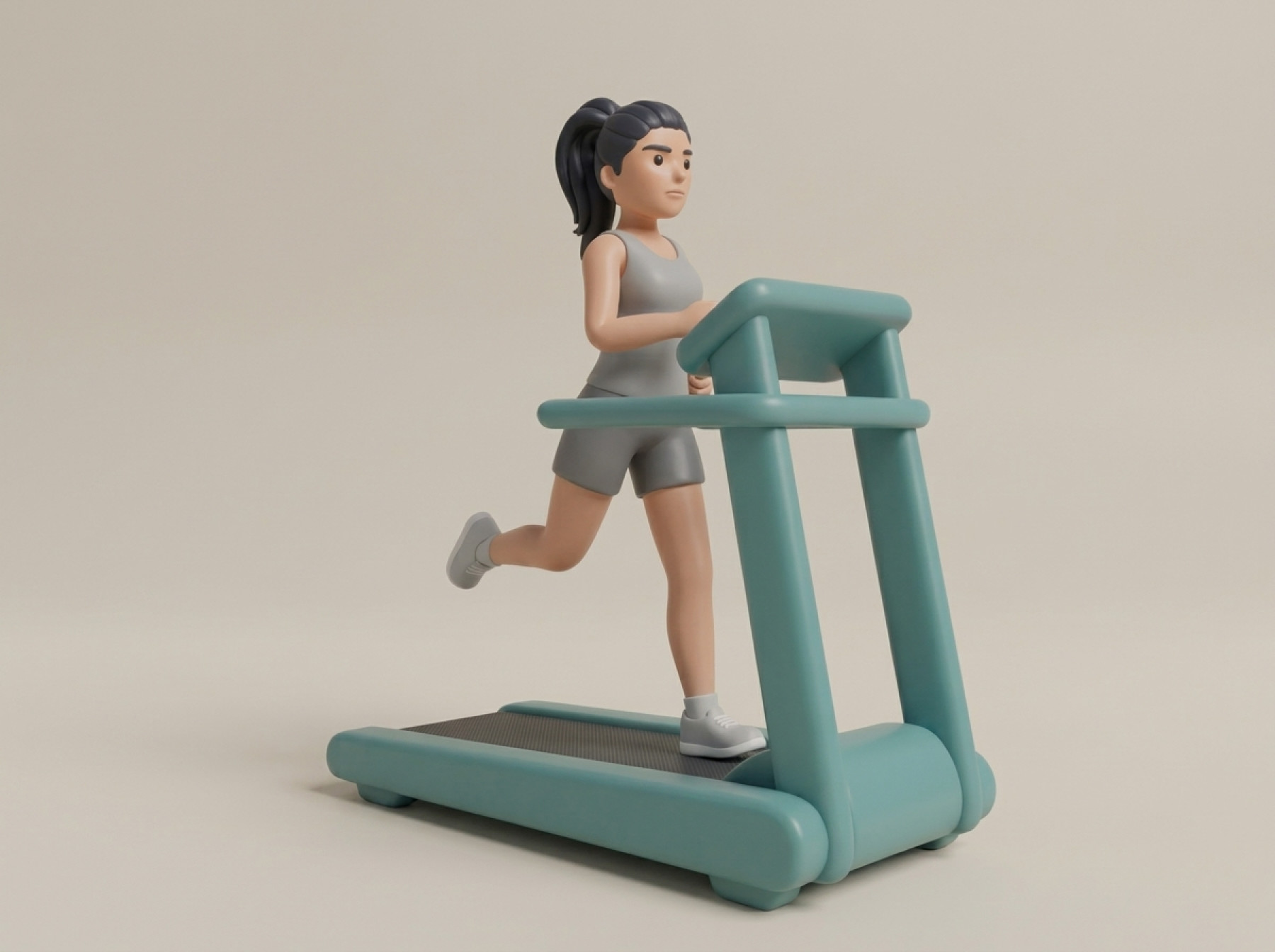
A Quick Refresher

What is Panic Disorder?
Panic disorder is a debilitating mental health condition characterized by repeated, unexpected, discrete fear, anxiety and apprehension. Panic disorder can be differentiated from other anxiety disorders as its symptoms are primarily somatic/physiological. These occurrences are dubbed “panic attacks”. Hallmarks of panic attacks include heart palpitations or increased heart rate, sweating, trembling, chest pain, lightheadedness, dizziness, hot flushes, derealization and depersonalization, and fear of dying. Individuals who misconstrue these somatic anxiety symptoms often arrive at emergency care centres to undergo unnecessary assessments. For example, individuals experiencing shortness of breath may perceive they are suffocating; individuals who experience a racing heart may fear an impending heart attack. Oftentimes, panic attacks surface spontaneously and rapidly, giving almost no warning. A hallmark of a panic disorder is an immense fear of the recurrence of another impending panic attack. Further, individuals may take drastic steps to avoid their recurrence. For instance, individuals who believe that a racing heart is indicative of a heart attack, or being out of breath is indicative of suffocation, may avoid exercise. Collectively, the symptoms of panic disorder are detrimental to one’s day-to-day life and may lead to considerable distress and impairment across important life domains, interfering with functioning (social, occupational or otherwise). Normal functioning can only be maintained through conscious exertion and additional effort. Importantly, the symptoms of panic disorder are not better explained by another mental health condition, or medical disorder, and are not better attributed to the effects of a substance or medication on one’s central nervous system.Symptoms of Panic Disorder
For a comprehensive list of panic disorder symptomatology, we recommend you visit the ICD-11 webpage.What is Interoceptive Exposure?

How it works
A variety of different exercises may be incorporated into interoceptive exposure. Nevertheless, despite the idiosyncrasy of the exercises, they share a common goal: to induce subjective somatic sensations. The process of Interoceptive Exposure is not rigid. For instance, therapists may introduce exercises in the context of a behavioural experiment, in which patients are asked to test the veracity of their predictions or appraisals. Alternatively, an exploratory approach may be deemed more suitable, wherein a clinician may assess the way a patient feels or appraise certain situations.Tailored Treatment Plans
Dear Reader,
At IndoPsyCare, we formulate treatment plans on a case-by-case basis. Contingent upon your condition and situation, your therapeutic journey may or may not include a variation of the following components:
Assessments
Your therapist may administer assessments at various points throughout your therapeutic journey. This is done as a way of assessing your improvements and thus the effectiveness of the treatment plan. When treating panic disorder, our clinicians typically administer the Patient Health Questionnaire (PHQ) and Panic Disorder Severity Scale (PDSS). Nevertheless, we ask that you please keep in mind that assessments may vary depending upon your specific circumstances.Psychoeducation
IndoPsyCare seeks to provide you with a contextual understanding of your condition. Your therapist may provide you with a comprehensive description of the panic disorder including the symptoms that those with the condition typically experience, the condition’s prevalence and its general nature. Psychoeducation will typically continue throughout your therapeutic journey as your therapist aims to increase your understanding of the factors that underpin and maintain your condition, and of the strategies that are used to address it.Open Dialogue
Your therapist will discuss your responses to the different stimuli that elicited panic within you. Additionally, you and your therapist might discuss the somatic symptoms that you experienced and how you felt when you experienced them. In some cases, you will be asked to formulate a graded list of least to most anxiety-inducing somatic symptoms. All of the information gleaned from these sessions will assist your therapist to shape your ongoing treatment plan.Intentional symptom provocation
In-session experiments allow therapists to identify safety-seeking behaviours that are only situationally activated. Your therapist may facilitate the intentional provocation of sensations including- Cardiovascular sensations (such as a rapidly beating heart)
- Audiovestibular sessions (such as inducing dizziness or intentionally causing you to feel faint)
- Respiratory sensations (such as inducing shortness of breath)
|
Catastrophic Belief |
Example of exposure |
| A pounding heart is indicative of a heart attack | Doing jumping jacks or running in place |
| A tight feeling in my chest is indicative of me having a heart attack | Holding your breath |
| Dizziness means I am losing my mind | Spinning around in a chair or rolling head in circles |
Homework
Your therapist may also assign you homework to complete between sessions in which you might be asked to engage in behaviours that lead to symptom provocation for allocation amounts of time.Relapse Prevention
During this phase, your therapist will reinforce your understanding of the strategies you have learned, including when and how they should be implemented. Furthermore, your therapist will equip you with the skills to recognize your own personal warning signs. It is essential that you understand these warnings so you can seek timely assistance from your therapist who will re-address your recovery treatment plan.Treatment Duration

How many sessions will I need?
Our psychologists base your treatment plan upon scientific literature and recommendations from bodies such as the Cochrane Library, the UK’s National Institute of Health and Care Excellence (NICE) and IPK Indonesia’s National Clinical Practice Guidelines. This said, every patient is unique, thus it depends upon your personal situation. The number of sessions you require is typically influenced by:- The severity of your symptoms
- Existing comorbidities (co-existing conditions)
- The length of time you have been experiencing your condition
- Your personal motivation and progress
- Your social support network
Making the Most of Therapy
Asking for help is commendable
Asking for help is understandably difficult, thus reaching out is a testament to the strength of each individual who does so. A call for help should never be seen as a sign of weakness, as it is the first step in your journey to recovery. Although sometimes uncomfortable, sharing your vulnerabilities with the right people may provide an appropriate, timely, and forthright avenue through which your problems can be assessed and addressed.


